Daisy Night: The Quirky Typeface That Elevates Small Business Branding
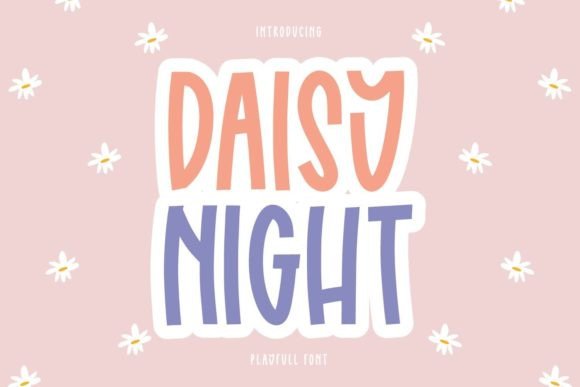
Running a small business means wearing many hats, from the CEO to the graphic designer. One of the most overlooked yet powerful tools in your toolkit is the script font you choose for your brand identity. If you are looking for a typeface that embodies fun, quirkiness, and authenticity, Daisy Night might be exactly what you need to make your creative ideas stand out. This enchanting handwritten font brings a childlike playfulness that can transform generic marketing materials into memorable brand experiences.
As an entrepreneur who has spent years refining my own boutique's visual language, I know that consistency is key. Customers trust businesses that look professional across every touchpoint. Whether you are designing product labels for handmade candles, creating Instagram posts for a café menu, or updating your website banners, the right premium font sets the tone. Daisy Night offers a unique personality that helps brands feel human, approachable, and genuine.
Why Personality Matters in Modern Typography
In a digital world saturated with clean, corporate sans serif fonts, standing out requires a bit of character. A display font like Daisy Night does not just convey information; it conveys emotion. When potential customers see your logo or packaging, they should immediately sense the vibe of your business. Is it serious and formal? Or is it warm, inviting, and slightly whimsical?
This handwritten font captures a mood that feels personal and curated. It suggests that real people created the products or services behind the brand. For independent creators, online sellers, and startup founders, this connection is vital. Using a font that feels authentic helps build a bridge between you and your audience. It signals that you care about the details, which often translates to how much customers believe you care about their experience.
Real-World Applications for Your Brand Materials
The versatility of Daisy Night makes it suitable for a wide range of business assets. You do not have to limit its use to just one area. Here is how you can integrate this creative font into your daily operations:
- Logo Design: Use Daisy Night as the primary typeface for your logo if your brand values creativity and friendliness. It works exceptionally well for boutique names, art studios, or lifestyle brands.
- Packaging and Labels: Imagine a jar of homemade jam or a box of artisanal soaps featuring this script. The playful curves add a tactile feel even on paper, making the product look more special than mass-produced alternatives.
- Social Media Graphics: On platforms like Pinterest and Instagram, text needs to grab attention quickly. Overlaying Daisy Night on images for promotions, quotes, or event announcements creates high contrast and draws the eye.
- Menus and Flyers: For café owners or event planners, this font adds a touch of elegance mixed with informality. It makes a simple list of items feel like a curated selection.
- Thank-You Cards and Stickers: Adding a personal note with a commercial font like this can turn a standard transaction into a delightful customer interaction.
When used correctly, these applications create a cohesive brand identity. Consistency ensures that whether a customer sees your ad on Facebook, your label on a shelf, or your email newsletter, they recognize your business immediately.
Balancing Style with Readability
While quirkiness is great, functionality cannot be ignored. As a business owner, you need to ensure your message is clear. Daisy Night is best utilized as a headline or display typeface rather than for long blocks of text. Its decorative nature shines when used for titles, logos, and short phrases.
For body text, such as descriptions on product packaging, terms of service on your website, or detailed menus, you will want to pair it with a highly readable serif font or a clean sans serif font. This strategy, known as font pairing, allows the personality of Daisy Night to take center stage without sacrificing legibility. For example, a bakery might use Daisy Night for the shop name and a simple sans serif font for the list of pastries.
Consider where your text will appear. On mobile screens, intricate scripts can sometimes become difficult to read at smaller sizes. Test your designs on different devices before finalizing them. Ensure that the contrast between the text and the background is sufficient so that your modern typography remains accessible to all users.
Practical Tips for Implementation
If you are ready to incorporate Daisy Night into your workflow, start by testing it on a few key assets. Create a mock-up of your business card, a sample product label, and a social media post. See how the typeface interacts with your existing color palette and imagery. Does it feel too chaotic, or does it complement your brand story?
Remember that Daisy Night belongs to the Script Amp collection, designed to bring a specific level of charm to projects. However, before you commit to using it across your entire operation, check the licensing terms carefully. Most commercial fonts require a license for use on physical products, merchandise, client work, and digital downloads. Ensuring you have the proper permissions protects your business and respects the designers who created these beautiful design assets.
Making Your Business Recognizable
Ultimately, the goal of any branding effort is recognition. When a customer sees your materials, they should instantly think of your business. A unique handwritten font like Daisy Night provides a distinct visual signature that separates you from competitors using generic templates. It adds a layer of professionalism that comes from thoughtful design choices.
Whether you are a coach building a personal brand, a candle maker launching a new scent line, or a coffee shop owner refreshing your storefront, this font offers the flexibility to adapt to your needs. It turns ordinary text into a statement. By choosing a font that aligns with your values of authenticity and fun, you invite customers to engage with your brand on a deeper level. In the competitive landscape of small business, those little details often make the biggest difference.